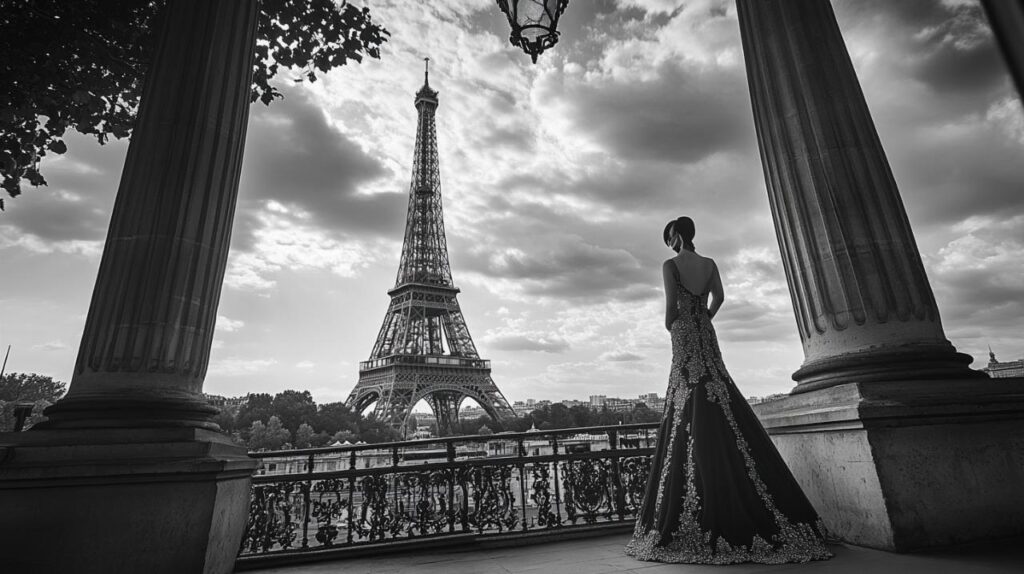
Photography possesses the extraordinary power to freeze fleeting moments, transforming the ephemeral into something timeless. In the bustling streets of Paris, where light dances across historic architecture and daily life unfolds with cinematic grace, one photographer has dedicated himself to capturing these transient instances with remarkable sensitivity. Guy Brochot, a distinguished photographer based in the French capital, brings to his work a profound understanding of composition, cultural nuance, and the philosophy that every fraction of a second holds potential for revelation.
Capturing paris: the artistic vision behind the camera
Mastering Light and Shadow in Urban Landscapes
The interplay between light and shadow forms the essence of compelling photography, particularly when capturing urban landscapes. In Paris, where centuries-old buildings create dramatic corridors of darkness punctuated by brilliant shafts of sunlight, this contrast becomes even more pronounced. Guy Brochot demonstrates a keen sensitivity to these natural phenomena, understanding that light is not merely an illuminating force but a sculptural element that defines form, mood, and narrative within the frame. His approach recalls the techniques employed by masters of vintage photography who worked with gelatin silver prints, carefully considering how natural illumination could be harnessed to create depth and dimension. The city's architecture provides an ideal canvas for this exploration, with its distinctive Haussmannian facades, narrow medieval lanes, and modern glass structures each offering unique opportunities for photographic interpretation. Through careful observation and technical mastery, the photographer captures how morning light transforms the Seine into a ribbon of silver, how afternoon shadows create geometric patterns across cobblestone streets, and how twilight bathes the city in a warm, ethereal glow. This attention to the nuances of natural light distinguishes documentary work from mere record-keeping, elevating street scenes into visual poetry that resonates with viewers across cultural boundaries.
The Philosophy of Spontaneity in Street Photography
Street photography demands a particular mindset, one that combines preparedness with openness to the unexpected. The concept of the decisive moment, famously articulated in the influential photobook published in 1952 under the English title suggested by Robert Capa, remains fundamental to understanding this photographic approach. The original French title, Images à la Sauvette, which translates roughly as images on the run, perhaps more accurately captures the spontaneous nature of this work. Guy Brochot embraces this philosophy, positioning himself within the tradition of reportage photography whilst bringing his own contemporary sensibility to the practice. This approach requires both technical proficiency and intuitive responsiveness, allowing the photographer to anticipate moments before they fully unfold whilst remaining receptive to genuine surprise. The resulting images possess an authenticity that cannot be staged or manufactured, capturing candid portraits of individuals absorbed in their daily routines, unaware of the camera's presence. This unobtrusive methodology yields photographs that reveal universal human experiences through specific cultural contexts, whether showing a woman lost in contemplation at a café, children playing near a fountain, or elderly residents engaged in animated conversation. The success of such work depends not merely on being present but on cultivating a deep understanding of human behaviour, social dynamics, and the rhythms of urban life. Through countless hours spent observing the streets of Paris, the photographer develops an almost instinctive sense of when disparate elements will align to create visual harmony, when a gesture will reveal character, or when light and subject will converge in that fraction of a second that transforms an ordinary scene into something extraordinary.
Beyond the Shutter: Guy Brochot's Creative Pursuits and Influences
From architecture to photography: a multifaceted approach
The relationship between architecture and photography extends beyond simply photographing buildings. An understanding of architectural principles, spatial relationships, and design fundamentals profoundly influences photographic composition. Guy Brochot's multifaceted approach incorporates these considerations, viewing the urban environment not merely as a backdrop but as an active participant in the visual narrative. This architectural awareness manifests in his attention to leading lines that guide the viewer's eye through the frame, his use of symmetry to create visual balance, and his strategic employment of framing techniques that isolate subjects within the larger cityscape. The influence of architectural thinking encourages photographers to consider structure, rhythm, and proportion when composing images, principles that apply equally whether capturing a grand monument or an intimate street corner. This cross-disciplinary perspective enriches the photographic work, imbuing it with a rigour and intentionality that elevates it beyond casual observation. Moreover, an appreciation for architectural history deepens the photographer's connection to place, understanding how centuries of development have shaped Paris into its current form. This knowledge informs decisions about where to position oneself, which angles reveal the most about a location's character, and how contemporary life intersects with historical context. The resulting photographs function as visual documents that honour both the built environment and the people who inhabit it, creating a dialogue between permanence and transience, between the solid structures that endure and the fleeting moments that occur within their shadows.
Cultural inspirations shaping a parisian perspective
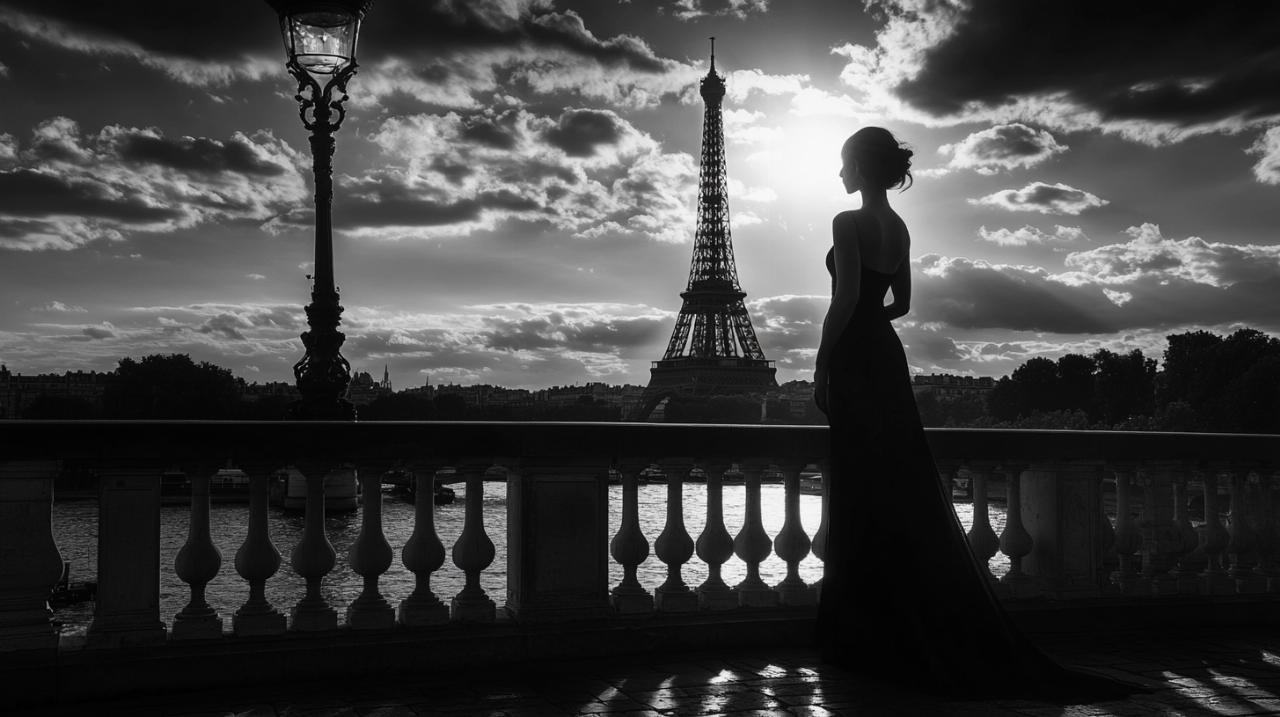
Every photographer's vision is shaped by accumulated influences, from other artists whose work has provided inspiration to the cultural environment in which they operate. For someone working in Paris, these influences are particularly rich and varied, drawing from the city's extraordinary artistic heritage. The legacy of Henri Cartier-Bresson, whose work with Magnum and pioneering approach to reportage photography established many conventions of the medium, remains profoundly relevant. The cover design by Henri Matisse for that seminal photobook exemplifies how photography exists within a broader artistic ecosystem, intersecting with painting, design, and literary traditions. Contemporary photographers benefit from access to exhibitions at institutions like the Fondation Henri Cartier-Bresson, where vintage cameras, first-edition publications, periodicals, and correspondence provide insight into both historical techniques and evolving aesthetic concerns. These resources inform current practice, offering lessons in photographic technique whilst encouraging innovation and personal expression. Cultural photography, at its best, reflects the specific character of a place and its people, capturing not just appearances but underlying attitudes, social dynamics, and shared values. Guy Brochot's Parisian perspective is inevitably shaped by the city's particular blend of sophistication and earthiness, its reverence for tradition alongside embrace of modernity, and its population's distinctive gestures, expressions, and ways of inhabiting public space. This cultural specificity gives the work authenticity and depth, distinguishing it from generic urban photography that could have been made anywhere. By immersing himself in this environment, studying its visual traditions, and remaining attentive to its ongoing evolution, the photographer develops a body of work that functions as both personal expression and cultural document.
The Legacy of Moments: Impact and Recognition in Contemporary Photography
Exhibitions and accolades across european galleries
Recognition within the photographic community comes through various channels, from publications to gallery exhibitions that place work before discerning audiences. The exhibition format allows photographs to be experienced as intended, as carefully printed physical objects rather than images on screens. Vintage gelatin silver prints possess particular qualities, tonal ranges and textural characteristics that digital reproductions cannot fully convey. Contemporary photographers who maintain connections to traditional darkroom practices and film photography often find their work appreciated by collectors and curators who value these qualities. European galleries, particularly those in cities with strong photographic traditions, provide venues where serious work can be shown and discussed, contributing to ongoing conversations about the medium's possibilities and future directions. For photographers working in thematic photography, exhibitions offer opportunities to present bodies of work as unified statements rather than isolated images, allowing viewers to appreciate cumulative impact and recurring concerns. The process of preparing for an exhibition, from selecting images to considering sequence and presentation, constitutes its own form of artistic practice, requiring decisions about how individual photographs relate to one another and what narrative or emotional arc emerges from their arrangement. Recognition through such venues validates a photographer's approach whilst potentially opening doors to broader audiences, publication opportunities, and collaborative projects. This institutional engagement situates individual practice within larger historical and contemporary contexts, acknowledging both artistic achievement and contribution to the evolving language of photography.
Teaching the Art: Workshops and Mentorship in the Photographic Community
The transmission of photographic knowledge occurs not only through books and exhibitions but through direct mentorship and educational programmes. Workshops focused on aspects of the craft, from darkroom lessons covering film processing and archival preparation to sessions on photographic composition addressing square composition, symmetry, and visual strategies, provide spaces where aspiring photographers can develop skills under experienced guidance. This educational dimension extends the impact of accomplished photographers beyond their own practice, shaping future generations who will carry forward traditions whilst inevitably transforming them. Teaching requires articulating intuitive knowledge, translating what one has learned through years of practice into concepts that others can grasp and apply. This process often deepens the teacher's own understanding, as explaining one's approach necessitates examining assumptions and clarifying principles that may have previously operated at an unconscious level. For students, access to mentorship accelerates learning, helping them avoid common pitfalls whilst encouraging experimentation and personal vision. The photographic community benefits from these knowledge-sharing initiatives, maintaining continuity with historical practices whilst remaining open to innovation. Whether discussing bulk loading film, techniques for pushing or pulling during development, or more conceptual concerns about how to recognise and capture decisive moments, workshops create dialogues that enrich everyone involved. As photographers like Guy Brochot share their expertise, they contribute to a living tradition that honours masters such as Robert Capa and Clément Chéroux whilst encouraging contemporary practitioners to find their own voices. This balance between respecting photographic legacy and pursuing fresh approaches ensures the medium remains vital, capable of continuing to reveal the world in ways that surprise, move, and enlighten viewers encountering these frozen moments years or even decades after they were captured.